
Front Cheek Fillerin Gangnam, Seoul
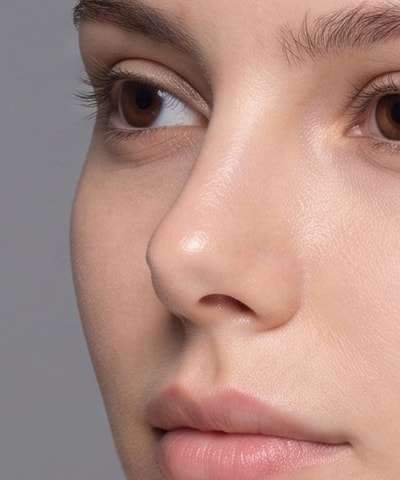
Front cheek filler uses hyaluronic acid (HA) to add volume to the anterior cheek — the front-facing surface over the cheekbone that reads first when someone looks at you. As this area loses fat and support with age, the mid-face can look flat, tired or gaunt. Placed deep against the bone in small amounts, HA restores gentle forward projection and can soften the top of the smile line. At QD Clinic in Gangnam, Seoul, South Korea, we assess your facial balance first, then decide the product, depth and amount. A session usually takes about 15–30 minutes with little downtime. (Results vary by individual.)
Who it’s for
- A flat or hollow front cheek that makes the face look tired
- Loss of mid-face volume with age
- The upper smile line starting to deepen as cheek support drops
- Anyone wanting subtle forward volume rather than a wide, high cheekbone
Cheek volume interacts with the eyes, smile line and jaw, so we plan the front cheek as part of the whole face. Suitability and the right amount are confirmed during consultation.
How it works
Hyaluronic acid is a sugar molecule that occurs naturally in the skin and holds water, so an HA filler adds soft volume where it is placed and is gradually broken down by the body over time. For the front cheek, the doctor usually places the gel deep, against the anterior surface of the cheekbone, where a small, well-positioned amount projects the face forward without widening it. Because the mid-face supports the tissue below it, adding volume here can also lend a little lift to the upper smile line. HA can be dissolved with an enzyme called hyaluronidase if an adjustment is ever needed. The product, plane and amount are matched to your anatomy. (Results vary by individual.)
THE MECHANISM, STEP BY STEP
01Water-holding volume
Hyaluronic acid occurs naturally in the skin and binds water, so the gel adds soft volume exactly where it is placed against the cheekbone.
02Placed deep, by needle or cannula
For the front cheek the gel sits deep against the bone, delivered with a fine needle or a blunt cannula, so a small, well-positioned amount projects the face forward without widening it.
03Immediate but temporary
Volume shows the same day because the gel physically fills the space; over the following months the body gradually breaks the HA down, so the effect is not permanent.
04Adjustable and reversible
Because it is HA, the result can be added to gradually, or dissolved with an enzyme (hyaluronidase) if an adjustment is ever needed.
Treatment areas
- Anterior cheek (apple)
- The front surface over the cheekbone, for forward projection.
- Upper smile-line junction
- Where restored cheek support can soften the top of the fold.
- Deep medial cheek
- A deeper base layer that supports and lifts the front of the face.
What the procedure is like
- 1Consultation and assessment of facial balance
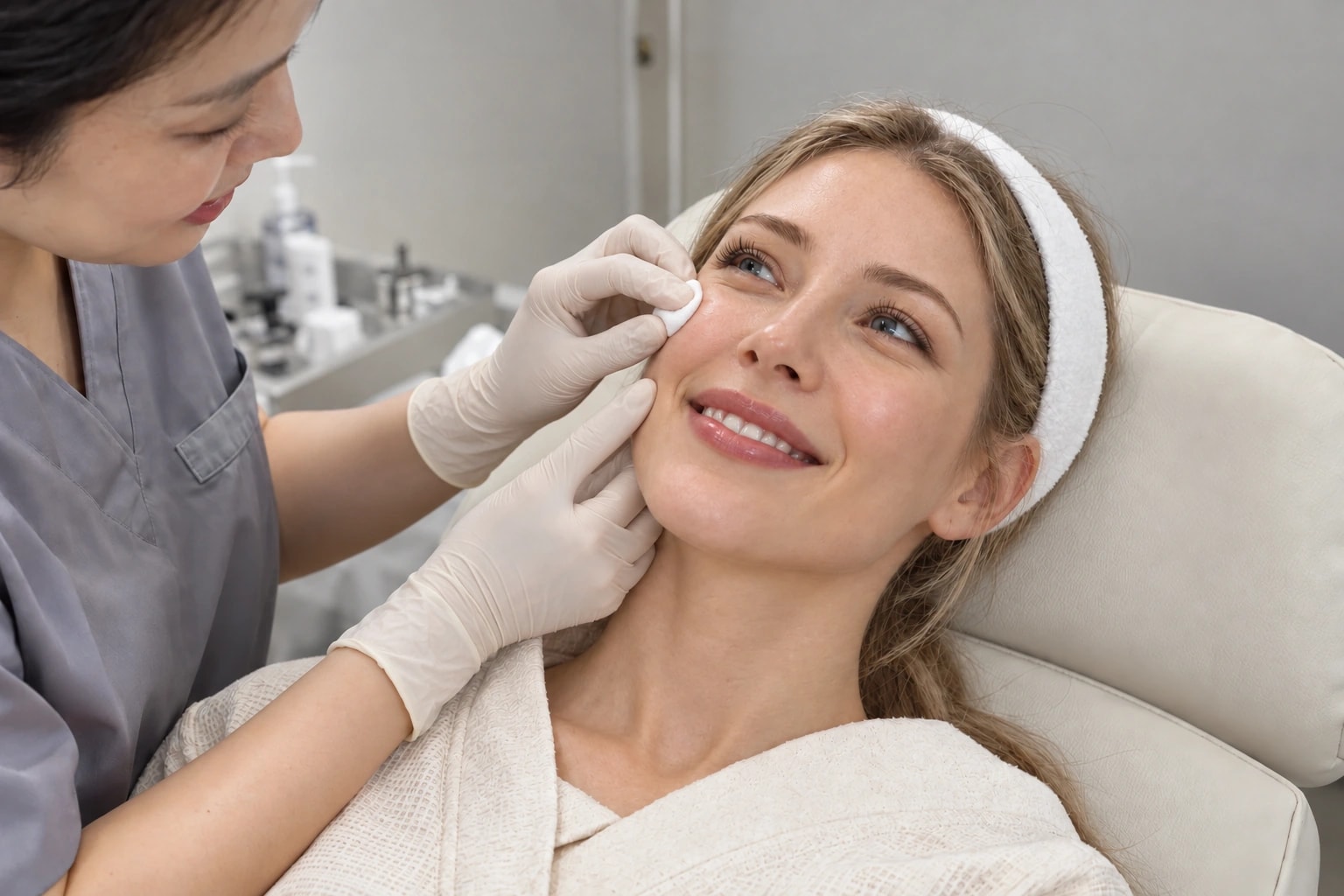
- 2Cleansing, marking and topical numbing for comfort
- 3HA placed deep by fine needle or blunt cannula, then shaped by hand
- 4Review of symmetry and aftercare guidance
Time: A session usually takes about 15–30 minutes.
Recovery & aftercare
- Little downtime; most people return to daily activities the same day.
- Temporary swelling, redness, tenderness or bruising may occur and usually settles within about 1–2 weeks.
- Avoid pressing or massaging the area, and skip saunas and intense exercise for a day or two as we advise.
What to expect over time
A general guide to how the days and months after treatment usually unfold. Results vary by individual.
DAY 0 Treatment day
Forward volume is visible immediately. Mild swelling, redness or tenderness is common, and the cheek can look fuller than the final result at first.
DAY 1-3 Early settling
Most swelling eases and any bruising begins to fade. Makeup and normal skincare can usually resume as advised.
WEEK 1-2 Settled result
Swelling resolves and the true contour of the cheek becomes clear. (Results vary by individual.)
12-18 MONTHS Duration
HA in this deep, low-movement area often lasts around 12–18 months, varying with the product and your metabolism. (Results vary by individual.)
TOP-UP Review & maintenance
Your doctor reviews the result and, if appropriate, discusses timing for a top-up based on your face.
Sessions & results
Volume appears right away and settles over about 1–2 weeks as any swelling resolves. HA in a deep, low-movement area like the cheek often lasts around 12–18 months, though this varies with the product and your metabolism. A top-up can be considered at consultation. (Results vary by individual.)
How it compares
These all add or build mid-face volume, but they work in different ways and suit different goals. The right choice is decided after we assess your face.
| Comparison | Front Cheek Filler | Collagen-stimulating filler | Fat Grafting |
|---|---|---|---|
| Agent | Hyaluronic acid (HA) gel | Calcium hydroxylapatite or poly-L-lactic acid | Your own fat, transferred surgically |
| What it does | Adds soft volume against the cheekbone straight away | Prompts your own collagen to build volume gradually | Adds volume with transferred fat; part of it may persist |
| Onset | Immediate; settles over about 1–2 weeks | Gradual over weeks to months | Some volume at once; final after healing |
| Duration | Around 12–18 months (varies) | Often longer, up to about 2 years (varies) | Variable; a portion can be long-lasting |
| Reversible? | Yes — dissolvable with hyaluronidase | No specific dissolver | Not readily reversible |
| Downtime | Little; temporary swelling or bruising | Little; similar injection reactions | More; a minor surgical procedure |
Neither is “better” — they work differently and suit different goals. The right choice is decided after we assess your skin.
Safety & considerations
Possible reactions
- Temporary swelling, redness or a feeling of fullness
- Tenderness or bruising at the injection points
- Small lumps or slight unevenness, which usually settle or can be smoothed
- Very rarely, filler affecting a blood vessel — this needs prompt medical attention
When to take extra care
- Pregnancy or breastfeeding — let us know at consultation
- Active skin infection, inflammation or a breakout in the treatment area
- A known allergy to hyaluronic acid or lidocaine
- Previous filler, threads or surgery in the area — tell your doctor so placement can be planned
- A bleeding tendency or blood-thinning medication — tell your doctor
Whether cheek filler suits you, and the right amount, are confirmed during consultation. Effects and their duration vary by individual, and side effects may occur. We explain the warning signs — unusual pain, skin turning pale or dusky, or any vision change — so you know to contact us promptly.
Your care at QD Clinic
Performed by a board-certified doctor
Your injection is performed and medically reviewed by a board-certified doctor.
Planned for the whole face
The front cheek is assessed together with the eyes, smile line and jaw, not in isolation.
Reversible HA, built gradually
We use HA that can be dissolved if needed, and build volume conservatively rather than overfilling.
Care in your language
Consultation in English, with 中文 and 日本語 support arranged on request — including questions before you travel.
Frequently asked questions
Front cheek filler projects the mid-face forward for frontal balance, while side (lateral) cheek filler restores support to the outer cheek for lift and side contour. Many faces suit a small amount in each, because the two areas affect each other. Which area to treat, and in what proportion, is decided after we look at your facial balance.
The aim is gentle forward projection, not a wide or high cheekbone. Small amounts are placed deep against the front surface of the cheekbone, where a well-positioned amount projects the face forward without widening it. We build it up gradually and review the symmetry before you leave, rather than placing everything at once.
A topical numbing cream is applied first, and many HA fillers also contain a local anaesthetic. Most people feel pressure and brief discomfort rather than sharp pain while the gel is placed deep against the bone. The session itself usually takes about 15–30 minutes.
Volume shows right away and settles over about one to two weeks as any swelling resolves. Because the front cheek is a deep, low-movement area, HA here often lasts around 12–18 months, though this varies with the product and your metabolism. When it starts to soften, a top-up can be considered after we look at the area again.
Yes, HA filler can be adjusted with an enzyme called hyaluronidase after an assessment. Before dissolving, we check which product was used, the layer it sits in and what is causing any swelling or lumps, and we discuss allergy risk and the possibility that more than one treatment is needed. A complete return to how the cheek looked before cannot be promised, so please do not try to reshape it with massage yourself.
The front cheek is the part of the face that catches the most light, so when it loses volume a shadow settles there and the nasolabial folds and the hollows under the eyes become more noticeable at the same time. It does not read as weight loss; it reads as the whole face having slipped downward. That is why treating the front cheek often makes the surrounding lines look less pronounced as well.
We first check whether assessment and any necessary follow-up fit your stay. Share your arrival, departure and important event dates before booking. For this treatment, the expected course is as follows. Volume appears right away and settles over about 1–2 weeks as any swelling resolves. HA in a deep, low-movement area like the cheek often lasts around 12–18 months, though this varies with the product and your metabolism. A top-up can be considered at consultation. (Results vary by individual.) Temporary swelling, redness, tenderness or bruising may occur and usually settles within about 1–2 weeks. Avoid pressing or massaging the area, and skip saunas and intense exercise for a day or two as we advise. Examination may lead to postponement or additional visits. Confirm contact arrangements after returning home and when in-person medical care may be needed. What the doctor checks first for this treatment: “Support in the front cheek and depth through the midface”.
Often considered together
Treatments that are sometimes planned alongside this one, decided at consultation.
+Smile Line Filler
Supporting the cheek and softening the fold below it are often planned together for a natural mid-face.
+Side Cheek Filler
Adding a little outer-cheek volume can balance forward projection with side contour.
+Skin boosters
Injectable hydration treatments address surface texture and glow, which volume filler alone does not target.
For international patients
Consultation in English / 中文 / 日本語 · WhatsApp · WeChat · KakaoTalk · a 4-minute walk from Sinnonhyeon / Nonhyeon Station (hours in KST).
How many days should I stay?
Surgery and course-based treatments need a check-up. We tell you before you book whether that means staying longer or coming back another time.
For International Patients